


Freedom Tree’s Colour Riot: A Bold New Vision of Indian Design
India’s design language has always been vibrant, rooted in tradition, and rich with symbolism. But what happens when tradition meets audacious creativity? Freedom Tree answers this question with unapologetic flair. This Mumbai-based design house isn’t just making furniture, décor, or ceramics—it’s challenging conventions, splashing colour where minimalism once ruled, and giving Indian homes a vocabulary that’s refreshingly modern yet deeply rooted in local culture.
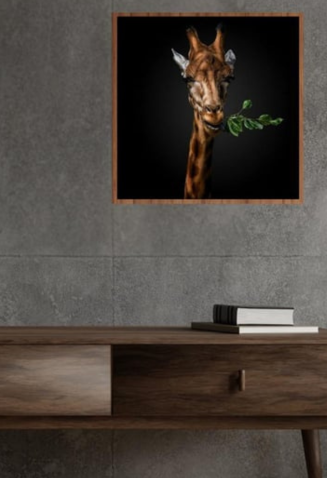
On TATA CLiQ LUXURY, Freedom Tree’s curated pieces offer more than just interior solutions. They become visual narratives—each brushstroke, fabric weave, and ceramic glaze a whisper of rebellion wrapped in joy. For the discerning aesthete seeking to infuse energy and art into their living space, Freedom Tree is more than just a brand choice. It’s a statement.
Breaking the Beige: Freedom Tree’s Colour Philosophy
In an era of greige walls and silent Scandinavian design, Freedom Tree storms in with mango yellows, lush greens, and jalebi pinks. Their collections are built around what they call “colourful modernism”—an approach that doesn’t shy away from saturation. Yet, nothing feels loud or gaudy. That’s the genius.
Every hue is meticulously thought through, not just as standalone swatches, but in how they interplay. While one collection employs earthy palettes inspired by the Southern Indian coastline, another features coral reds, terracotta, and sun-baked oranges to evoke warmth.
This isn’t rebellion for rebellion’s sake. It’s a well-orchestrated departure from dullness—where colour becomes emotion, geometry becomes poetry, and your walls, finally, speak.
Made in India. Not Just Manufactured—Imagined.
Freedom Tree is proudly and entirely Indian—but it doesn’t rest on heritage alone. The brand reimagines the subcontinent’s artistic legacy through the lens of today’s urban India. Here, Kalamkari and block prints are not trapped in nostalgia but reworked into modular coffee tables and contemporary cushion covers.
The brilliance lies in how Indian craft traditions are not frozen in time but liberated. Their prints often blend hand-drawn motifs with digital manipulation, creating a hybrid that’s both rooted and radical.
Design isn’t outsourced; it’s hyper-local. Their in-house team collaborates with Indian artisans from Maharashtra to Tamil Nadu to co-create every product. The result? A living room that doesn’t imitate Paris or Tokyo—but reflects an India that’s global, experimental, and bold.
Sculpting Stories: Art as Function
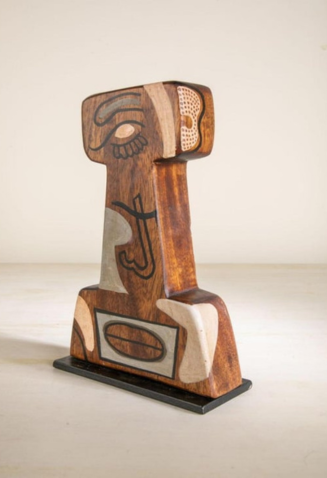
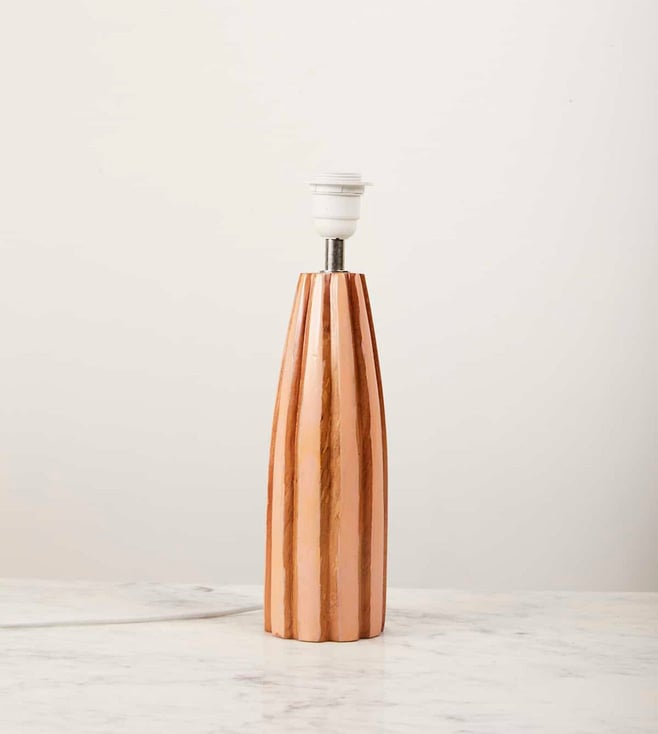
What defines an art piece? At Freedom Tree, it’s not what hangs on the wall—it’s also what holds your Chai. Their ceramics, lighting, and even centre tables toe the line between fine art and functional design.
Take the wooden series. Inspired by tribal dance forms and fluid body movement, the collection uses sculptural curves and kinetic silhouettes to turn everyday dining into a performative ritual.
Each piece invites interaction. They’re not artefacts to be admired from afar but tactile elements meant to be touched, moved and lived with.
The Freedom Tree Home: Who Is It For?
This isn’t décor for the quiet collector who wants things “to match”. Freedom Tree is for the expressive homeowner. The host who lights candles in tea glasses. The reader who turns alcoves into libraries. The parent who sees walls as galleries for children’s art.
If your home is a canvas and your personality the palette, this brand becomes the brush. And with every new collection, it offers fresh strokes—from seasonal themes like Tropical Luxe to capsule edits inspired by Indian cities.
Even minimalists find comfort here. Behind the vibrant prints and eccentric titles lies a deep respect for form, restraint, and usability. For every showstopper accent chair there’s a quietly poised wooden console. The contradiction is the point—curated chaos that always feels complete.
Sustainability, but With Soul
Sustainability isn’t a buzzword at Freedom Tree. It’s embedded in their processes—often invisible but impactful. Their production follows a “small-batch, slow design” ethos, which means fewer stockpiles, less wastage, and more care.
Upcycled fabrics often find their way into cushion covers and other forms of textile art. Water-based dyes reduce the environmental burden. And handcrafted processes—such as screen printing, wheel-thrown pottery, and hand-joined woodwork—ensure that local livelihoods are nurtured while carbon footprints are kept low.
The real triumph? Sustainability never looks boring. There’s no beige linen and apologetic bamboo here. Just riotous joy delivered with conscious craft.
Why Collectors and Curators Are Taking Notice
Design aficionados, architects, and stylists are beginning to include Freedom Tree in the same breath as cult European studios. Why? Because it’s not trend-chasing—it’s culture-shaping.
Freedom Tree pieces don’t look like anything else. A chandelier here might draw inspiration from Jaisalmer’s palaces, while a floor rug might incorporate symmetries of Gond’s painting. The collections often feel personal, as if someone had sketched them over a cup of coffee during a monsoon and then brought them to life. This emotional authenticity is hard to replicate and even harder to ignore.
That’s why design-forward consumers are treating Freedom Tree more like an art investment than a décor purchase. Limited editions, seasonal collections, and one-off ceramics are increasingly being snapped up as part of visual storytelling for homes.
Final Brushstrokes
In an Indian design landscape still tethered to colonial echoes or safe Scandinavian mimicry, Freedom Tree emerges as a much-needed disrupter. For those looking to build a home that mirrors the vibrancy of their identity, Freedom Tree becomes more than a brand—it becomes a design philosophy.
So, whether you’re hunting for a bold accent chair, statement wall art, or a cushion that sparks joy—explore Freedom Tree’s colourful rebellion today.
Explore Freedom Tree’s Art Pieces Now on TATA CLiQ LUXURY